
Some of the links in this story are affiliate links, which means we may earn a commission if you choose to purchase—helping us continue to share mindful, inspiring content.
Most people don’t associate bees with modern wellness. But quietly, almost every corner of the industry depends on them.
The herbs blended into adaptogenic lattes. The botanicals infused into skincare. The berries in collagen smoothies. The flowering plants that support biodiversity and regenerative agriculture. Even some of the ingredients now synonymous with luxury wellness culture would not exist in the same way without healthy pollinator ecosystems.
That’s part of why World Bee Day has started resonating far beyond environmental circles. As bee populations continue facing pressure from habitat loss, pesticides, climate stress, disease, and industrial farming practices, the conversation is becoming harder for wellness brands to ignore.
And increasingly, some companies are moving beyond sustainability as a marketing phrase and treating pollinator health as a core part of how they operate.
The Shift From Sustainability to Stewardship

One of the clearest examples is Mānuka Health, the New Zealand based wellness company whose business is deeply tied to the health of bees, mānuka forests, and the ecosystems surrounding them.
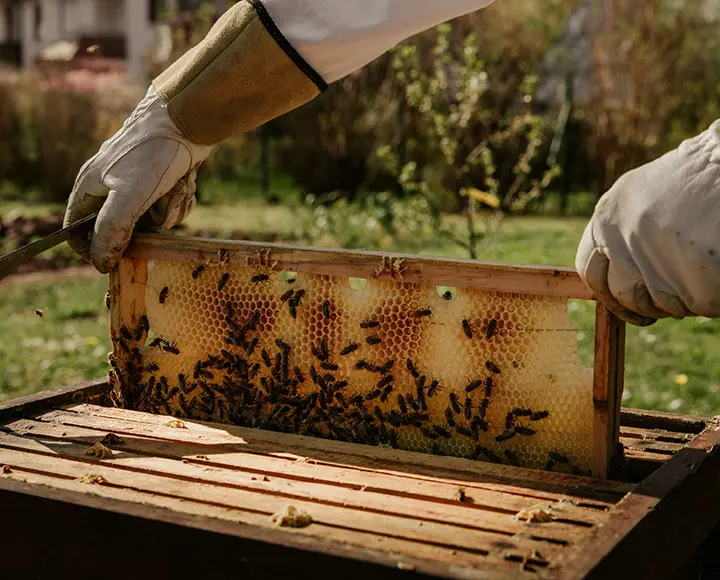
The company manages more than 15,000 bee colonies using low intervention beekeeping practices designed to support hive resilience rather than maximize short term production. Antibiotics and growth hormones are not used within its hives, and hive placement is carefully managed to avoid over stressing surrounding forage areas.
Their Original MGO 400+ / UMF 13+ Mānuka Honey has become a staple in many wellness routines as interest in authentic New Zealand mānuka honey continues growing. Whether added into tea, smoothies, or taken straight off the spoon, the honey has become especially popular for everyday wellness rituals.
Beyond honey production itself, Mānuka Health also invests in planting native mānuka trees across degraded farmland throughout New Zealand to help restore biodiversity and create healthier environments for pollinators and wildlife.
Its partnerships with Māori communities and rural landowners further reflect a growing shift happening across wellness right now: the idea that environmental health and human wellness are deeply interconnected.
Bee Derived Wellness Has Officially Gone Mainstream

That same connection is beginning to show up across the wider wellness space, too.
At Beekeeper’s Naturals, bee derived ingredients like propolis, royal jelly, and bee pollen have become staples of the functional wellness movement, particularly among consumers focused on immune support and everyday resilience. Hive ingredients that once felt niche or overly crunchy are now finding their way into modern supplement cabinets, wellness cafés, and beauty routines alike.
Their Propolis Immune Support Throat Spray, in particular, has been one of our own staples ever since the brand first launched onto the market. The propolis powered spray has developed a loyal following for good reason, especially among wellness enthusiasts looking for everyday immune support that feels easy to incorporate into a routine.
The brand’s Bee Pollen has also become a daily ritual in our kitchen. Often referred to as “nature’s multivitamin,” just a teaspoon delivers nutrients like protein, iron, B vitamins, and copper. We’ve been adding it into smoothies for years as an easy way to bring a little extra nourishment and energy into the day without overthinking it.
As interest in functional wellness continues growing, brands centered around hive ingredients are helping reshape how consumers think about bees not simply as honey producers, but as an essential part of broader ecosystem health.
Luxury Wellness Is Getting More Regenerative

Meanwhile, brands like Flamingo Estate are approaching pollinator health through the lens of regenerative luxury and biodiversity.
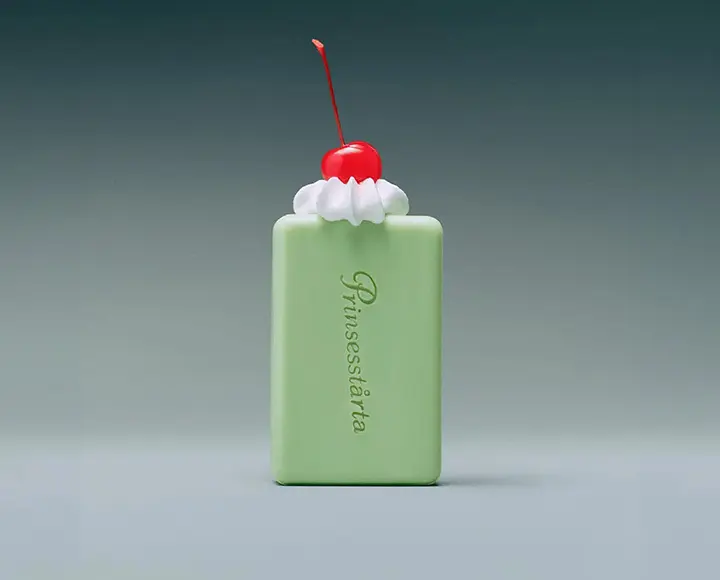
Their recently launched Pollinator Bath Soap Brick was created as a tribute to pollinators during Milan Design Week 2026, inspired by the flowering Linden trees that perfume Milan each spring. The soap blends Linden blossom, Bergamot, Chamomile, Heliotrope, and pollen inspired notes, while visually nodding to the golden flower meadows surrounding the installation.
The brand has also leaned into bee connected ingredients more directly through products like its Manuka Honey Soap Brick, formulated with wild mānuka honey, Shea Butter, biodynamic Hemp Oil infused with ozone, and Calendula grown at the base of Ruby Peak.
Alongside it sits Flamingo Estate’s California Native Mountain Wildflower Honey, harvested deep within protected Southern California forest areas where bees forage on Sage, California Buckwheat, Golden Currant, and native wildflowers away from pesticide heavy agricultural zones.
Together, the products reflect a growing consumer appetite for wellness products that feel rooted in biodiversity, ingredient sourcing, and environmental stewardship rather than surface level sustainability messaging.
Beauty’s Longstanding Relationship With Honey
Even beauty brands are continuing to deepen their relationship with bee derived ingredients.
Farmacy Beauty has helped bring honey and propolis into the mainstream skincare conversation in a way that feels approachable instead of overly earthy or “clean beauty” coded.
Their Honey Halo Ultra Hydrating Ceramide Moisturizer has become one of those products people pull out every time their skin feels dry, over exfoliated, irritated, or generally exhausted. The texture is rich and comforting without feeling heavy, and the combination of buckwheat honey and ceramides makes it especially good during colder months or whenever your skin barrier feels a little off.
Meanwhile, Honey Milk Hydrating Essence is the kind of product that quietly becomes part of your routine without much effort. Lightweight, soothing, and easy to layer, it gives skin that soft, hydrated look that makes everything else applied afterward sit better.
It’s all part of a bigger shift happening within beauty right now. Consumers still want science backed skincare, but they also want formulas that feel connected to nature, ingredient sourcing, and a little bit of ritual too.
Why World Bee Day Matters More Than Ever
Together, these brands reflect a broader shift happening within wellness. Consumers are beginning to ask bigger questions not just about whether a product is “clean,” but about where ingredients come from, how ecosystems are treated, and whether companies are contributing something meaningful beyond the final product itself.
That’s ultimately what makes World Bee Day feel more relevant than ever. It’s not simply about celebrating bees. It’s about recognizing how deeply interconnected modern wellness is with the health of the natural systems supporting it.
Because without pollinators, much of the wellness world as we know it simply would not exist.