


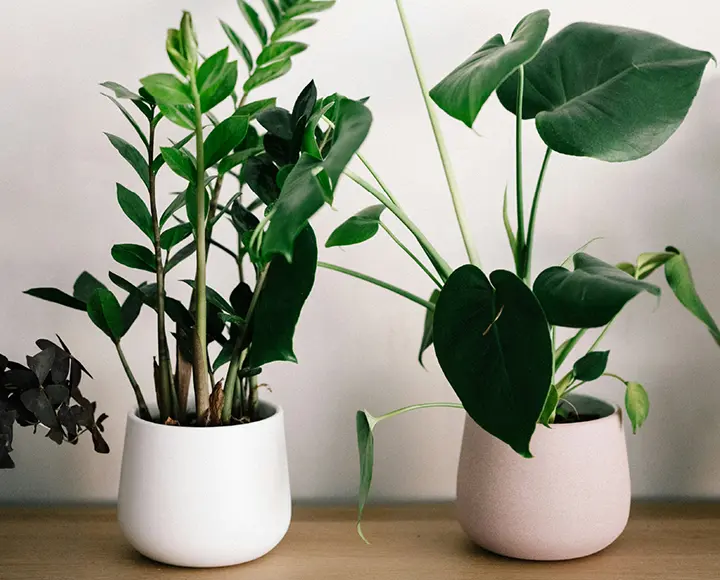
Houseplants have become the unofficial accessory of the wellness world. You’ll find them tucked into the corners of yoga studios, lining the shelves of thoughtfully designed homes, and spilling across the lobbies of some of our favorite hotels. They bring life, texture, and a sense of calm to a space, but can they actually make your home healthier?
For decades, certain houseplants have been celebrated as “air purifying plants,” thanks in part to NASA research that found some plants could help remove volatile organic compounds (VOCs) from the air under laboratory conditions.
More recent research suggests that while houseplants aren’t powerful enough to significantly clean the air in a typical home on their own, they can still play an important role in creating a healthier, more restorative indoor environment.
In fact, studies on biophilic design, the practice of bringing nature indoors, have linked greenery with lower stress levels, improved mood, and enhanced wellbeing.
In other words, your houseplants may not replace an air purifier, but they can absolutely help your home feel healthier.
Here’s our room by room guide to the best air purifying plants for every space.
For The Bedroom: Snake Plant & Aloe Vera
The bedroom is where your body recovers, resets, and recharges. The best plants for this space are low maintenance, visually calming, and capable of thriving with less light.
Snake Plant
The Snake Plant has become a favorite among wellness enthusiasts for good reason. Its sculptural silhouette looks beautiful in nearly any bedroom, and unlike most plants, it uses a specialized process known as CAM photosynthesis, which allows it to continue exchanging gases overnight.
While that doesn’t mean it will dramatically improve bedroom air quality, it has earned its reputation as one of the most bedroom friendly plants around. It is also remarkably resilient, making it a perfect option for anyone who tends to forget about watering schedules.
If you’re new to plant ownership, a Snake Plant is often considered one of the best places to start. It’s easy to see why companies like Easyplant have made it one of their most popular offerings. The plant is remarkably forgiving, making it ideal for anyone who wants the benefits of greenery without adding another demanding task to their routine.
Aloe Vera
Aloe Vera earns bonus points for pulling double duty. Not only is it easy to care for, but the gel inside its leaves has long been used to soothe minor burns and skin irritation.
Consider it a wellness plant with beauty benefits built in.
For The Home Office: Pothos, ZZ Plant & Rubber Plant
Research continues to show that exposure to natural elements can positively impact stress levels, focus, and overall wellbeing. That’s one reason biophilic design has become such a major trend in both workplaces and homes.
Pothos
If there were an award for easiest plant to keep alive, Pothos would be a serious contender. Its trailing vines soften bookshelves, desks, and windowsills, instantly making a workspace feel more inviting and lived in.
ZZ Plant
Known for its glossy leaves and near indestructible nature, the ZZ Plant thrives even when neglected. It tolerates low light, irregular watering, and busy schedules, making it ideal for anyone who spends more time answering emails than tending to plants.
Rubber Plant
With its oversized leaves and rich green color, the Rubber Plant adds visual impact to a room while helping create the feeling of a more nature connected space.
For The Bathroom: Boston Fern, Peace Lily & Orchids
Bathrooms are often overlooked when it comes to houseplants, but they’re actually one of the easiest rooms to fill with greenery. The humidity created by showers provides the ideal environment for many tropical species.

Boston Fern
If your goal is to recreate the feeling of a luxury spa, start here. Boston Ferns love humidity and reward you with lush, feathery foliage that instantly softens hard surfaces like stone, tile, and glass.
Peace Lily
One of the most frequently cited plants in NASA’s original indoor air quality research, Peace Lilies remain a popular choice for bathrooms because they tolerate lower light conditions and produce elegant white blooms throughout the year.
Orchid
While orchids aren’t typically included in discussions about air purification, they’re one of the best plants for humid environments. A blooming orchid instantly elevates a bathroom and brings a sense of everyday luxury to your routine.
For The Living Room: Areca Palm, Bird of Paradise & Fiddle Leaf Fig
The living room is where larger statement plants can truly shine.
Areca Palm
The Areca Palm remains one of the most commonly recommended indoor plants for creating a lush, resort inspired atmosphere. Its feathery fronds add movement, softness, and visual texture to larger spaces. It was also included among the plants examined in NASA’s original indoor air quality research.
Bird of Paradise
With its oversized leaves and tropical presence, the Bird of Paradise can completely transform a room. Few plants make a bigger design statement while still feeling organic and timeless.
For those looking to make an even bigger impact, mature Bird of Paradise plants can instantly elevate a space. Companies like Léon & George have helped popularize larger format houseplants, making it easier to bring hotel worthy greenery into everyday living spaces.
Fiddle Leaf Fig
Still a favorite among interior designers, the Fiddle Leaf Fig brings height, structure, and a dramatic focal point to living rooms. While it may require a little more attention than some of the other plants on this list, the payoff is undeniable.
It’s the kind of plant you’ll find everywhere from boutique hotels and wellness studios to thoughtfully designed homes, proving that some classics never go out of style.
For The Kitchen: Spider Plant & Fresh Herbs
The kitchen is one of the easiest places to incorporate plants because functionality can meet beauty.
Spider Plant
The Spider Plant has long been considered one of the most beginner friendly houseplants available. It’s adaptable, forgiving, and easy to propagate, making it perfect for plant novices.
Fresh Herbs
Basil, rosemary, mint, and thyme may not top traditional air purifying lists, but they offer something even better: fresh ingredients at your fingertips.
There’s something deeply satisfying about stepping into your kitchen and clipping herbs moments before adding them to dinner.
Whether you’re garnishing a summer salad with basil or adding rosemary to a roasted vegetable dish, these plants make healthy cooking feel a little more intentional.
What Actually Improves Indoor Air Quality?
Here’s the reality: while houseplants can remove some pollutants under laboratory conditions, researchers have found that you’d need an impractically large number of plants to significantly affect air quality in a typical home.
If improving indoor air quality is a priority, experts recommend focusing on proper ventilation, reducing indoor pollutants, maintaining HVAC systems, and regularly bringing fresh outdoor air into your home whenever possible.
Think of plants as one piece of a larger wellness ecosystem rather than the entire solution.
A Greener Way to Live
Houseplants may not be the miracle air cleaners they were once made out to be, but that doesn’t make them any less valuable.
Research increasingly shows that bringing nature indoors can help reduce stress, support wellbeing, and create spaces that feel calmer and more restorative.
The healthiest homes aren’t built around a single plant, supplement, or wellness gadget. They’re created through small, intentional choices that make everyday life feel a little better.
Whether it’s a Snake Plant on your nightstand, fresh herbs in the kitchen, or a Bird of Paradise brightening up your living room, bringing a little more greenery into your home is one of the simplest ways to create a space that feels calmer, more beautiful, and more connected to nature.
A healthier home doesn’t always require a major renovation. Sometimes, it starts with a little more green.