
Dr. Miguel Toribio-Mateas connects nutrition, the gut-brain conversation, and compassionate approaches to neurodivergent well-being.
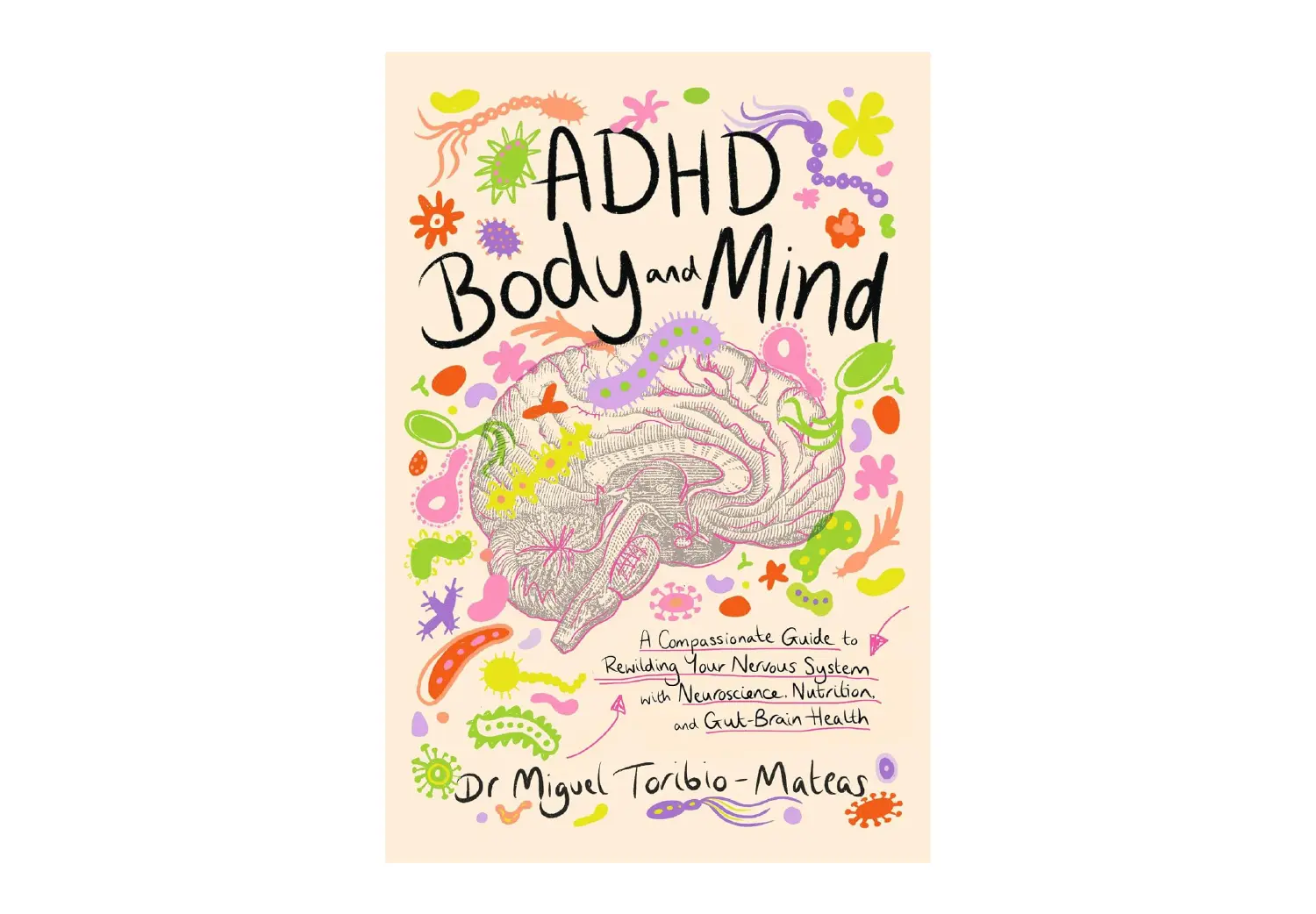
Ever walked into the kitchen and forgotten why you were there, skipped lunch without noticing, or spent more energy planning a simple task than actually doing it? ADHD can shape daily life in ways that go far beyond attention. In ADHD Body and Mind, the neuroscientist and nutrition researcher explores the relationship between digestion, nutrition, stress, and everyday experiences of neurodivergence. His perspective is less about forcing a perfect routine and more about understanding what support can look like in practice.
+ ADHD involves more than attention
ADHD is a neurodevelopmental condition, but its everyday effects reach beyond concentration. Executive-function challenges can affect noticing hunger, moving between tasks, preparing meals, and settling into sleep. Toribio-Mateas’s mind-and-body framing makes those experiences part of the conversation.
A day that looks unproductive may involve considerable invisible effort, especially when someone is tired, overstimulated, or struggling to recognize physical needs. Better self-care does not eliminate ADHD. It can, however, make support more responsive to the circumstances in which someone is trying to function. Attention is only one part of the experience, and difficulties with organization or emotional regulation are not simply failures of willpower.
What to try: Track sleep, energy, and stress alongside concentration for a week. Look for patterns that help you understand when everyday tasks feel easier or harder.
+ The gut-brain relationship is promising, not a proven ADHD cure
The gut and brain communicate through neural, hormonal, immune, and metabolic pathways. Toribio-Mateas draws on microbiome research to explore this relationship, including questions scientists are asking about ADHD. Early associations are intriguing, but they do not establish that gut bacteria cause ADHD.
That distinction matters when supplements are marketed with confident promises about focus. Findings remain preliminary and inconsistent, and microbiome testing cannot diagnose ADHD. The research offers a developing biological perspective, not a proven dietary cure. Current evidence does not establish that changing gut bacteria reliably treats ADHD.
What to try: Prioritize a varied, tolerable diet rather than buying supplements that promise to fix focus. Discuss persistent digestive symptoms with a qualified professional.
+ Food routines should reduce friction
Eating well involves more than knowing which foods are nutritious. Remembering meals, buying groceries, tolerating textures, and assembling food when energy is low can all be challenging. A perfect meal plan is not useful if it requires more steps than someone can reliably manage.
The book’s compassionate nutrition perspective encourages accessible options and flexibility over rigid rules. Protein, fiber, and dietary variety support general well-being, but no specific diet has been established as a universal ADHD treatment. The immediate goal can simply be making regular nourishment easier. Rigid dietary rules can add work to an already demanding day.
What to try: Keep a small rotation of satisfying, easy-to-prepare meals and familiar groceries. Make nourishment accessible rather than requiring elaborate meal planning.
+ Stress and rest are part of the picture
ADHD can intersect with sleep difficulties, emotional regulation, sensory overload, and the demands of frequent task switching. Toribio-Mateas places nervous system support within this broader experience instead of framing every challenge as a failure of discipline.
A quieter workspace, a movement break, or time to decompress may make daily life more manageable. These strategies can support comfort and coping, but they should not be confused with treatments proven to reduce core ADHD symptoms. The aim is to reduce unnecessary friction. Relaxation practices may support coping, but they are not substitutes for evidence-based ADHD care.
What to try: Notice physical tension before pushing through a difficult task. Try a short walk, gentle stretching, or a comfortable breathing break.
+ A useful routine works with your needs
One-size-fits-all routines can become another source of frustration when attention, energy, and sensory needs fluctuate. The book’s compassionate framing asks a better question than why a habit failed: what made it difficult to sustain?
Support might mean visible reminders, repeatable breakfasts, fewer decisions, or movement that feels enjoyable. A flexible routine can still have structure. It simply starts with how a person actually functions instead of demanding that they conform to an idealized schedule. Supportive environments and manageable expectations can make daily activities easier.
What to try: Choose one recurring point of friction and simplify it: a reminder for breaks, convenient meals, or a less distracting work environment.