
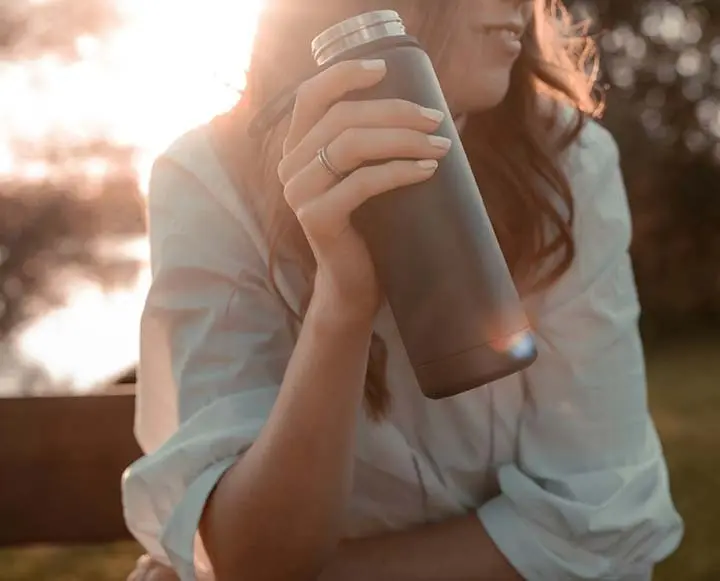
Hydration has somehow become the overachiever of the wellness world, complete with rules, numbers, and a surprising amount of pressure. We’ve all heard them. Eight glasses a day. More water for glowing skin. Skip coffee if you want to stay “properly” hydrated. It sounds convincing enough, until you realize how little of it is actually rooted in solid science. The truth is, hydration is far more nuanced and a lot more personal than the checklist approach we’ve been following. Before you refill your bottle again, it’s worth unpacking what’s real and what’s not. Ahead, five of the most common hydration myths, and what your body actually needs instead
Myth #1: You Have to Drink 8 Glasses of Water Daily
This is probably the most repeated hydration rule out there, and it does have a certain appeal. It’s simple, easy to remember, and feels like something you can check off by the end of the day. The only issue is, it was never meant to be a universal formula. Your actual fluid needs depend on many factors, including age, sex, activity level, climate and overall health. One-size-fits-all advice simply doesn’t account for the vast differences in how your body uses and loses water throughout the day.
A more realistic approach is to pay attention to your body’s signals. Thirst, energy levels, and even urine color tend to be far more reliable than a fixed number. Keeping water within reach and sipping throughout the day often does more than trying to hit a quota all at once.
Myth #2: More Water Is the Secret to Flawless Skin
The beauty industry loves promoting water as a skin care miracle, but the reality is far more nuanced. And while staying hydrated does support overall health, the idea that simply drinking more water will transform your skin isn’t quite accurate.
Dermatology experts consistently point out that there’s no strong evidence linking increased water intake directly to clearer or acne-free skin. Hydration plays a role, but it’s just one piece of a much bigger picture that includes sleep, stress, diet, and topical care.
While the benefits for skin might be debated, the risks of poor hydration to your overall health are well-documented. Studies show that 75% of Americans are chronically dehydrated, which can lead to serious issues like reduced cognitive function and physical discomfort. Lifestyle factors such as diet, stress management and sleep significantly influence skin hydration and overall wellness. Using the right moisturizer for your skin type matters just as much as what you drink.

Myth #3: If You Don’t Feel Thirsty, You’re Not Dehydrated
Thirst feels like an obvious cue, but it’s actually one of the later signals your body sends. By the time you feel noticeably thirsty, you’re already slightly dehydrated, which can show up as fatigue, brain fog, or a subtle dip in focus. Your body needs consistent fluid intake throughout the day to function optimally.
What’s more helpful is learning to recognize the quieter signs that come earlier. Watch for fatigue, slight headaches and dark-colored urine, all of which indicate your body needs more fluids. These signs often show up hours before you register actual thirst, giving you an earlier window to address hydration needs. Setting a recurring alarm on your phone can serve as a helpful reminder to sip water regularly throughout the day, especially during busy periods when hydration easily slips your mind.
Myth #4: Hydration Only Comes From Water
Pure water isn’t your only hydration option. Water-rich fruits and vegetables like cucumber, watermelon, celery, strawberries, oranges and leafy greens can help meet your hydration needs while delivering valuable vitamins, minerals and electrolytes that plain water doesn’t provide. Soups, broths and smoothies also help you stay hydrated.
Make water-rich foods part of your daily routine for effortless hydration. Starting your morning with a fruit-infused smoothie or enjoying chilled cucumber slices as an afternoon snack are simple ways to boost fluid intake. When you build meals around vegetable-forward soups or fresh salads loaded with crisp greens, staying hydrated will become a habit.
Myth #5: Coffee and Tea Don’t Count Toward Your Daily Intake
The old belief that caffeinated beverages dehydrate you has been thoroughly debunked. While caffeine does have a mild diuretic effect, the volume of water in coffee or tea more than offsets it, resulting in a net hydrating effect. Your morning latte or afternoon green tea absolutely contributes to your daily fluid intake. However, it’s important to know your limits, especially if you have health issues, such as acid reflux, sleep disorders or irregular heart rhythms.
Enjoy your daily coffee or tea ritual without guilt, but balance it with other fluids throughout the day. Herbal teas, sparkling water and coconut water offer variety while keeping you hydrated. Rotating among different beverages makes hydrating more enjoyable and ensures you’re getting a range of nutrients with your fluids.
What Really Works for Staying Hydrated
When you strip away the noise, hydration becomes a lot simpler. It’s less about hitting exact numbers and more about paying attention. Your body already has a built-in system for signaling what it needs, it just requires a bit of awareness.
Drinking water regularly, incorporating water-rich foods, and enjoying a mix of beverages you actually like tends to be far more sustainable than following rigid rules. What works for someone else might not work for you, and that’s exactly the point.
The goal isn’t to perfect your hydration. It’s to make it feel easy, intuitive, and supportive of how you move through your day.
About the Author
Lola Mark is a freelance writer specializing in women’s health and wellness. She is also the Senior Editor of Body+Mind Magazine, where she focuses on helping women live more mindfully and purposefully. Outside of writing, she enjoys nature walks and exploring local farmers markets.