
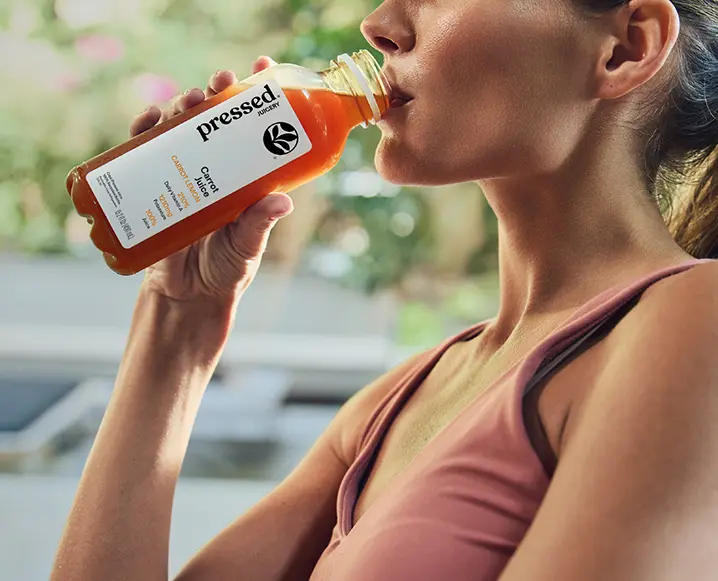
Carrot juice is one of those wellness staples that’s been around forever. Long before green juices had PR teams and glass bottles became accessories, this bright orange classic was quietly doing the job.
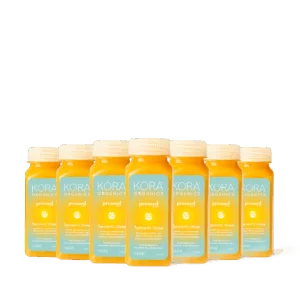
Which is exactly why it caught our attention when Pressed Juicery recently launched a new carrot juice. Not because it felt new, but because it made us pause and ask the obvious question. What actually happens when you drink carrot juice consistently? Their version keeps it simple, 100% cold-pressed, made with over 12 carrots per bottle with justt a touch of lemon for brightness. Each bottle delivers over 200% of your daily vitamin A, along with naturally occurring electrolytes that make it especially refreshing as warmer days approach.
We asked Sahar Berjis, Dietitian, Nutrition Coach, and CEO of Inner Health & Wellness, to break it down. With over 20 years of experience, Sahar is known for blending functional and traditional nutrition into a more holistic, whole-body approach. She’s lectured at institutions like NYU and Columbia, spoken at major nutrition conferences, and built a practice rooted in helping people create results that actually last.
Her philosophy is simple but powerful. Wellness isn’t about extremes. It’s about understanding your body, working with it, and building habits that feel as good as they are effective.
In Conversation with Dr. Sahar Berjis

Carrot juice is rich in beta carotene and antioxidants. When someone drinks it regularly, how does that actually influence things like inflammation, cellular health, or oxidative stress in the body over time? Carrot juice is like a little daily “cellular support drink.”
Beta carotene, which your body converts to vitamin A, helps neutralize oxidative stress, the kind that builds up from everyday life such as stress, pollution, and lack of sleep. Over time, this can support healthier cells and help calm low-grade inflammation in the body.
It’s actually a great addition to anti-inflammatory protocols when used thoughtfully. It’s not a magic solution, but it’s a powerful support tool when layered into a balanced routine.
Some practitioners recommend carrot juice as part of gut healing or anti-inflammatory protocols. In your experience, are there specific situations or health goals where drinking carrot juice regularly can be particularly beneficial? I love using carrot juice strategically, especially in anti-inflammatory protocols.
It can be helpful for supporting anti-inflammatory pathways, providing easy-to-digest nutrients when digestion feels sluggish, and offering gentle nourishment during recovery phases.
However, it’s not always ideal for everyone. Carrot juice is naturally higher in sugar, so for clients with gut healing issues or blood sugar imbalances, it can sometimes do more harm than good if overused.
Is there an optimal time of day to drink carrot juice for better nutrient absorption or digestive benefits? Yes, and it’s refreshingly simple.
Morning or midday tends to be best, when your body is ready to absorb nutrients.
Pairing it with a little healthy fat, like nuts or a meal, helps absorb fat-soluble vitamins like beta carotene.
I usually avoid recommending it at night. It’s naturally sweet and can give a subtle energy boost.
Think of it as a morning glow ritual, not a bedtime drink.
Some people swear carrot juice improves their skin or gives them more of a natural glow. Is there real nutritional science behind that connection between carotenoid rich foods and skin health? This is one wellness trend that actually has some science behind it.
Carotenoids can build up slightly in the skin over time, giving that subtle warm tone people call a natural glow. More importantly, vitamin A supports skin repair and cell turnover, which contributes to healthier-looking skin overall.
But it’s not overnight. It’s consistency over time.
Final Sip
Carrot juice may not be the loudest player in the wellness space, but that’s kind of the point. It’s steady, effective, and surprisingly versatile when used with intention.
As Sahar puts it, it can be a beautiful addition to your routine, especially for anti-inflammatory support, but it’s not one-size-fits-all.
The real takeaway feels simple. The most powerful habits are often the ones that don’t try too hard. And sometimes, it really is as easy as a glass of something bright, familiar, and quietly doing the work in the background.