


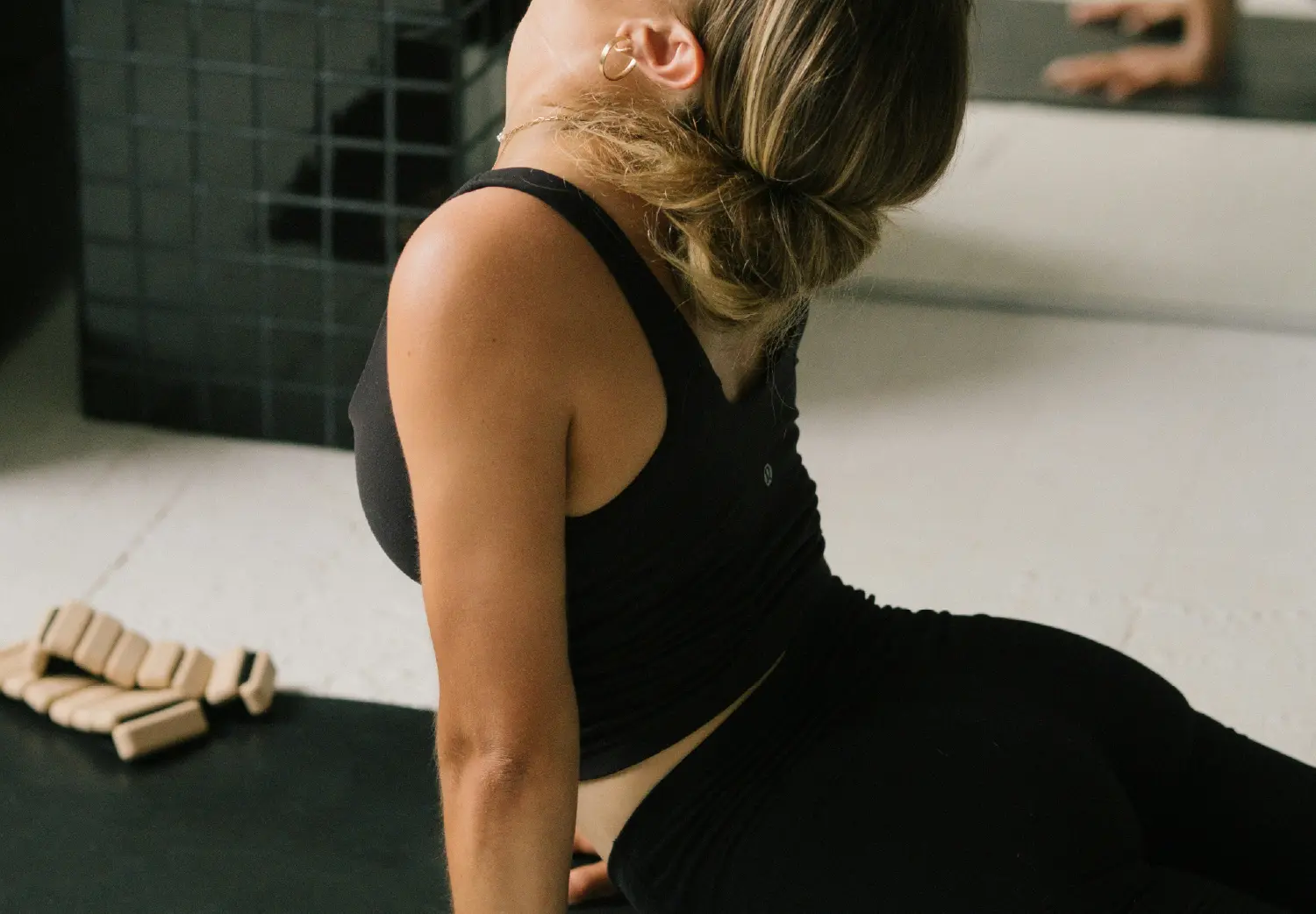
How well are you aging? Your daily movements may offer clues beyond what a birthday or fitness tracker can tell you. Strength, balance, flexibility and the way your body responds to physical effort all play a role in staying active and independent over time. To explore what these abilities reveal, we turned to Sakda Sangduan, Certified Personal Trainer and Corrective Specialist at RAKxa Integrative Wellness, whose functional fitness approach looks at how the body performs in everyday life. Below, Sakda breaks down the assessments, what each measures and simple ways to build better movement habits.
RAKxa’s Functional Fitness Assessment (FFA) goes beyond how you feel to examine six key areas of physical function: single-leg strength, balance and reaction time, upper-body control, trunk mobility, cardiovascular capacity, and flexibility. Together, these assessments give the team at RAKxa a clearer picture of how your body moves today, helping them tailor exercise and everyday movement recommendations to your needs.
Mobility Test 1: Single-Leg Strength (Leg Press)
What It Is and How to Do It
Using the leg press equipment, each leg is assessed to understand lower-body strength and identify any differences between the left and right sides
What It Measures
It measures single leg strength and lower body functional capacity, particularly the muscles that support everyday movements such as standing up, climbing stairs, and walking
What the Results Tell Us About Aging
Maintaining lower-body strength becomes increasingly important as we age because it supports mobility, stability and independence. The assessment can also highlight strength differences between the two sides of the body that may affect movement quality over time.
How to Improve It
Practise controlled sit-to-stands from a chair, gradually progressing to a lower chair or adding resistance as strength improves.
Mobility Test 2: HUBER Balance Test – Balance, Mobility & Brain Reaction
What It Is and How to Do It
The HUBER assessment uses an interactive platform to challenge the body’s ability to maintain control and respond to changing movement demands. The participant follows guided movements or targets while maintaining their balance and body position.
What It Measures
It assesses balance, coordination, mobility and reaction, including how effectively the brain and body work together during movement.
What the Results Tell Us About Aging
Balance and reaction can gradually decline with age. Assessing them can provide insight into how effectively the body responds to changes in position and maintains stability, both of which are important for confident movement and reducing fall risk as we get older.
How to Improve It
Practise single-leg standing near a stable support, beginning with short holds and gradually increasing the duration as balance improves.
Mobility Test 3: Core & Shoulder Stabiliser – Upper-Body Control
What It Is and How to Do It
This assessment challenges the participant to maintain a stable trunk and shoulder position while performing controlled movements or resisting external forces.
What It Measures
It looks at core stability, shoulder stability and upper-body control, including how well different muscle groups work together to maintain posture and controlled movement.
What the Results Tell Us About Aging
Good core and shoulder stability helps us maintain posture, control and efficiency in everyday movements. Reduced stability may lead the body to compensate by relying more heavily on other muscles or joints, which can contribute to discomfort or inefficient movement over time.
How to Improve It
Try a wall plank: place your hands against a wall, keep the body aligned and gently engage the core while maintaining stable shoulders. Progress gradually as control improves.
Mobility Test 4: Torso Rotation Test – Trunk Mobility
What It Is and How to Do It
The participant rotates the upper body in a controlled manner while the assessment measures the body’s ability to rotate through the trunk.
What It Measures
It assesses trunk rotation and mobility, helping identify restrictions or differences between the left and right sides.
What the Results Tell Us About Aging
The ability to rotate comfortably is important for many everyday activities, from walking and reaching to turning around and getting in and out of a car. Reduced trunk mobility may indicate stiffness or movement compensations that can affect how efficiently the body moves.
How to Improve It
Try a gentle seated thoracic rotation: sit upright with your feet planted, slowly rotate the upper body to one side without forcing the movement, return to centre and repeat on the other side.
Mobility Test 5: Cardiovascular Assessment – Cardiovascular Capacity
What It Is and How to Do It
The participant performs a controlled cardiovascular exercise while their body’s response to physical effort is assessed. The intensity is adjusted appropriately to the individual’s ability.
What It Measures
It evaluates cardiovascular capacity and endurance—essentially, how effectively the body responds to and sustains physical activity.
What the Results Tell Us About Aging
Cardiovascular capacity is an important part of maintaining energy, endurance and the ability to remain physically active and independent as we age. The results can help determine an appropriate level of cardiovascular training for the individual.
How to Improve It
Start with regular brisk walking at a comfortable pace and gradually increase the duration or intensity as cardiovascular fitness improves.
Mobility Test 6: Flexibility Test – Range of Motion
What It Is and How to Do It
The participant performs a series of controlled movements designed to assess how comfortably key joints and muscle groups can move through their available range.
What It Measures
It assesses flexibility and range of motion, helping identify areas of tightness, restriction or imbalance.
What the Results Tell Us About Aging
Flexibility can gradually decrease with age, inactivity or repetitive movement patterns. Maintaining an appropriate range of motion can help support comfortable everyday movement, posture and overall movement quality.
How to Improve It
Introduce gentle daily mobility and stretching, focusing particularly on areas identified as restricted during the assessment. Consistency is more important than forcing a deeper stretch.