
Some of the links in this story are affiliate links, which means we may earn a commission if you choose to purchase—helping us continue to share mindful, inspiring content.
For something most people can’t actually see, microplastics have become surprisingly hard to ignore.
They’ve been found in bottled water, household dust, synthetic clothing, seafood, tea bags, food packaging, and increasingly, inside the human body itself. At the same time, modern wellness culture still relies heavily on plastic, from supplement containers and shaker bottles to grab-and-go “healthy” meals packaged for convenience.
The reality is that you probably can’t eliminate microplastics from your life entirely. But you can lower your exposure in ways that are practical, realistic, and genuinely worth paying attention to.
Researchers are still studying exactly how microplastics affect long term human health, but early findings have raised growing concerns around inflammation, oxidative stress, hormone disruption, and the body’s overall toxic load. Scientists have now identified microplastics in human blood, lungs, placentas, reproductive organs, and brain tissue, though researchers are careful to note that the long term health implications are still being investigated.
Thankfully, some of the most effective shifts are also some of the simplest.
What Are Microplastics, Exactly?
Microplastics are tiny plastic particles generally smaller than five millimeters that form as larger plastics break down over time.
Some are intentionally manufactured at microscopic sizes, while others come from everyday wear and tear: synthetic fabrics shedding in the wash, plastic containers degrading with heat, or food packaging slowly breaking down.
Researchers now believe exposure happens through a combination of ingestion, inhalation, and environmental contact. They’ve been detected in household dust, rainwater, seafood, produce, table salt, and indoor air.
The challenge is that modern life is deeply built around plastic. The goal is not perfection. It’s reducing unnecessary exposure where you reasonably can.
Stop Heating Food in Plastic
If there’s one habit many experts agree is worth paying attention to, it’s reducing the amount of heated plastic that comes into contact with your food.
Heat can accelerate the release of plastic particles and chemicals, particularly in older or damaged containers. Microwaving leftovers in plastic, pouring boiling liquids into plastic lined cups, or leaving bottled water in a hot car may seem harmless, but over time those repeated exposures can add up.
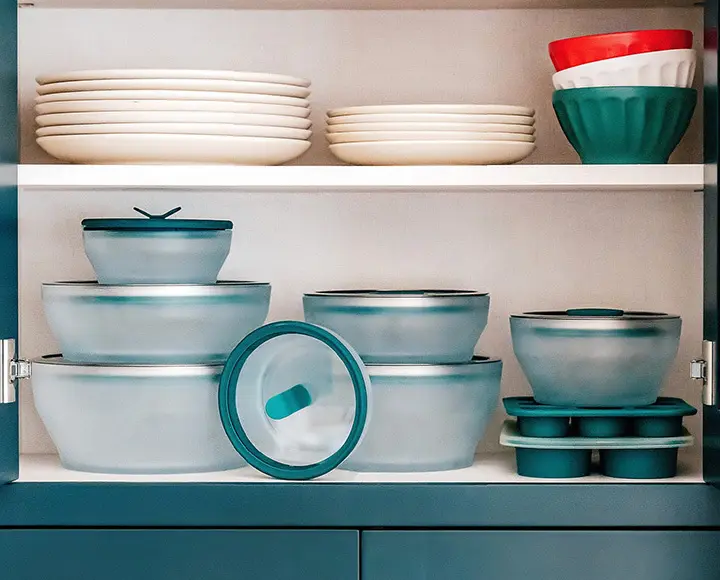
One of the easiest shifts we’ve personally made is moving away from reheating food in plastic containers altogether. Instead, we’ve been using Anyday’s glass cookware for everything from leftovers to quick weeknight meals because it makes the swap feel surprisingly easy and realistic to stick with.
We’ve also been liking Anydeli, which basically rethinks the classic plastic deli container using platinum silicone instead. They’re durable, reusable, and designed to prep, freeze, store, and reheat food all in one container, which makes it easier to rely less on disposable plastic during the week.
The bigger takeaway here isn’t that you need to overhaul your entire kitchen overnight. It’s just becoming more aware of how often heat and plastic overlap in daily life, especially around food.
Even your coffee habit matters more than people realize. Many takeaway cups are lined with plastic despite appearing paper based from the outside. Ceramic mugs or stainless steel travel cups can help reduce repeated exposure without requiring some dramatic lifestyle reset.
Rethink the Products Living in Your Home
One of the more interesting shifts happening in wellness right now is that people are paying closer attention not just to what they consume, but what surrounds them all day long.
That includes cleaning products, hand soaps, candles, air quality, and the materials used in everyday household items.
For us, one of the easier swaps has been cleaning products. We’ve been using Koala Eco products at home lately and genuinely love how clean the formulas feel compared to a lot of the heavily fragranced conventional cleaners out there. The scents are subtle, the ingredient lists are more thoughtful, and the whole experience feels less chemically overwhelming overall.
The same goes for hand soap. It sounds minor, but it’s one of those products you use constantly throughout the day. Lately, Flamingo Estate’s glass bottle hand soaps have been sitting by our sinks partly because they cut down on some of the disposable plastic packaging that tends to pile up around the house, but mostly because they feel elevated in a way that makes sustainable swaps easier to actually enjoy long term.
None of these products are magic fixes, obviously. But they reflect a bigger shift happening in wellness overall: people becoming more intentional about the everyday products they interact with most often.
Rethink Bottled Water
Several studies have found bottled water contains measurable amounts of microplastics, often linked to the packaging and bottling process itself.
A 2024 study led by researchers at Columbia and Rutgers found that a single liter of bottled water could contain hundreds of thousands of nanoplastic particles, many of which are small enough to potentially cross biological barriers in the body.
That doesn’t mean you need to panic every time you grab a water bottle at the airport. But it does make a strong case for investing in a good home filtration system and relying less heavily on disposable bottled water day to day.
Many wellness experts recommend filtered tap water paired with reusable stainless steel or glass bottles whenever possible. It’s one of those changes that quietly reduces exposure over time without requiring a complete lifestyle overhaul.
Your Activewear Could Be Part of the Problem

Synthetic fabrics like polyester, nylon, and acrylic are among the biggest contributors to microplastic pollution. Tiny fibers shed during wear and especially during laundry cycles, eventually making their way into waterways, household dust, and indoor air.
Ironically, many “wellness” wardrobes are built almost entirely around synthetic activewear.
Research published by the International Union for Conservation of Nature estimated that synthetic textiles account for roughly 35% of primary microplastics entering the oceans.
This doesn’t mean you need to throw away every pair of leggings you own. But it does make a strong argument for becoming more intentional moving forward. Natural fibers like organic cotton, linen, wool, and silk generally release fewer synthetic particles and tend to feel more aligned with the growing low tox movement overall.
Some people also choose to wash synthetic clothing less frequently, use cold water cycles, or add microfiber catching laundry bags and filters to help reduce shedding.
Again, the point isn’t to become obsessive. Awareness is often enough to start making better choices gradually.
Indoor Air Matters More Than Most People Think
Microplastics don’t just enter the body through food and water. They also circulate through indoor air and household dust.
Considering most people spend close to 90% of their time indoors, improving your home environment may matter more than some of the expensive wellness habits people obsess over online.
Researchers have found microplastics can accumulate in indoor dust, which is part of why air quality has become such a major conversation lately within wellness circles.
At home, one of the things we’ve become more mindful about is air filtration, especially living in a city where windows aren’t always open all day. Rabbit Air purifiers have been one of the few wellness adjacent home products that genuinely feel practical rather than gimmicky. Mostly, it’s just reassuring knowing there’s less dust and particulate matter constantly circulating indoors.
Other habits that can help reduce exposure without turning your life upside down:
- opening windows regularly when possible
- vacuuming with a HEPA filter
- dusting more consistently
- removing shoes indoors
- choosing fewer synthetic materials at home where you can
The larger point is that wellness is becoming less about chasing perfection and more about creating environments that support your body a little more gently over time.
Upgrade Your Kitchen Slowly

The kitchen is one of the easiest places to reduce everyday plastic exposure without turning your life upside down.
Many people are becoming more mindful about everyday kitchen items that come into frequent contact with heat and food, including making swaps like:
+ older nonstick cookware for ceramic or stainless steel options
+ plastic cutting boards for wood alternatives
+ black plastic takeout containers for glass storage containers
+ plastic cooking utensils for wood or stainless steel tools
+ tea bags made with plastic mesh for loose leaf tea
+ heavily processed packaged foods for fresher, less packaged options
Research has suggested that ultra processed foods may expose people to higher levels of microplastics partly because of industrial packaging and processing systems.
One thing we’ve noticed lately is that people are becoming much more curious about cookware materials overall, especially around PFAS and traditional nonstick coatings. Brands like Our Place have become part of that broader shift toward ceramic coated cookware that feels a little more thoughtful for everyday cooking without leaning so heavily on traditional nonstick materials.
Again, none of this means your kitchen needs to become perfectly “clean” overnight. In fact, trying to replace everything at once usually creates more stress than sustainability.
Instead, think of it as a gradual edit. Maybe you replace plastic cooking utensils with wood or stainless steel. Maybe your next food storage purchase is glass instead of plastic. Maybe you switch to loose leaf tea instead of individually wrapped plastic sachets.
Those small shifts are realistic, and realistic habits are the ones people actually stick with.
The Research Is Growing Quickly But So Are the Questions
One reason microplastics have become such a major topic in wellness is because the research has accelerated dramatically over the last few years.
In 2025, researchers publishing in Nature Medicine reported that microplastics and nanoplastics were present in human brain tissue, with concentrations appearing significantly higher than in the liver or kidneys.
Other studies have identified microplastics in placentas and blood samples, reinforcing the idea that exposure is now widespread.
At the same time, scientists consistently emphasize that there is still much we do not know. Finding plastics in the body does not automatically mean they are directly causing disease, and many long term effects are still being studied.
That nuance matters because wellness conversations tend to swing between complete dismissal and full blown fear. The reality is usually somewhere in the middle.
Focus on Progress, Not Perfection
One of the least healthy things wellness culture can do is convince people they need to live perfectly in order to be healthy.
Microplastics are a legitimate concern and the research surrounding them is evolving quickly. But stressing yourself into paralysis over every water bottle or takeout container probably isn’t helping your nervous system either.
The most effective approach is usually the most balanced one: reduce exposure where it makes sense, prioritize the habits that have the biggest impact, and let go of the idea that wellness requires perfection.
Because ultimately, the future of wellness seems to be moving toward something much bigger than optimization. It’s about creating homes, routines, and environments that support the body more gently in the first place.