

Hair loss was never something I thought I had to worry about.
That changed a few years ago when my hairstylist casually mentioned that my hairline and crown were thinning. At first, I brushed it off. But over time, it became harder to ignore. I found myself styling my hair differently, adjusting parts, paying more attention to lighting, and subtly trying to disguise areas that suddenly felt… exposed.
What people don’t talk about enough is the emotional toll thinning hair takes. It quietly chips away at confidence. It makes you hyper-aware of mirrors and photos. And stress, ironically, only makes it worse.
So I did what most of us do. I went deep. I watched countless videos, read medical journals, spoke with dermatologists and plastic surgeons, and tested everything from devices to topicals to clinical treatments.
After endless trial and error, these are the four science-backed ways to treat hair loss and encourage hair growth that actually made a difference for me. And yes, I tested them.

Red Light Therapy for Hair Growth
We’ve covered red light therapy many times before, especially for skin and body. Last year, we really put it to the test ourselves and it delivered (read our 1 year test here). Better skin tone, faster recovery, and noticeable improvements overall.
So when it came to hair, I wanted to know if red light could actually move the needle or if it was just another wellness trend making the rounds. After diving into the research and talking with dermatologists and plastic surgeons, the answer became pretty clear. Red light therapy can support hair growth, but the details matter.
Hair follicles are extremely energy-dependent. When they are under stress, whether from hormones, inflammation, or reduced circulation, they can shift out of the growth phase and into a resting phase. Red light therapy works by delivering specific wavelengths of light that penetrate the scalp and are absorbed by the mitochondria inside follicle cells, helping support cellular energy production and overall follicle activity.
This is not just anecdotal. Peer-reviewed clinical trials have shown that low-level light therapy can significantly increase hair density and hair count in people with pattern hair loss compared to placebo treatments.
What is especially interesting is how specific the science is around wavelength. Studies show that red light around 650nm can help follicles stay in the growth phase longer, rather than slipping prematurely into rest.
More broadly, research consistently points to red light in the 630 to 660nm range as the most effective window for supporting follicle metabolism, improving scalp circulation, and encouraging healthier hair growth patterns over time.
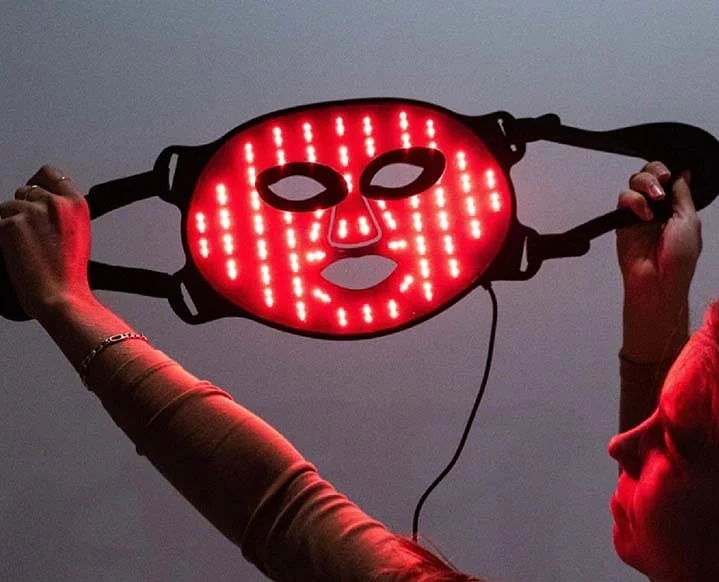
That is what led us to the BON CHARGE Red Light Cap.
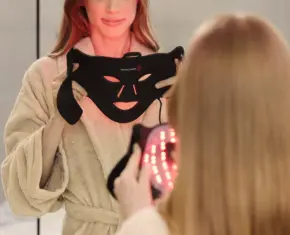
The BON CHARGE Red Light Cap uses 650nm red LED light to deliver consistent, targeted exposure directly to the scalp. It is FDA-cleared and designed for short ten minute sessions, making it realistic to use regularly. And that matters, because meta-analyses of low-level light therapy devices show consistent improvements in hair density in both men and women when used consistently over time.
It also helped that it did not scream hair loss device. I did not feel like I was strapping on some futuristic helmet or committing to a whole thing every time I used it. It just looks like a regular cap, there were even days I threw it on for a quick coffee run and no one gave it a second look.
That ease made a real difference. Red light therapy only works if you actually use it, and this was the first hair growth tool I tested that fit into my life instead of taking it over.

Hair Loss Medications as a Foundation
This part is not glamorous, but it is important.
Both my dermatologist and physician were clear that for many people, hair loss medications form the foundation of an effective hair growth strategy. Treatments like minoxidil and finasteride are among the most studied options available, particularly for pattern thinning around the hairline and crown.
Minoxidil works as a topical growth treatment that helps extend the hair growth phase, while finasteride targets the hormonal pathway associated with hair loss.These treatments are not for everyone and should always be discussed with a medical professional. But including them in the conversation matters. They often help stabilize hair loss enough for other supportive treatments to actually work.
This is not about choosing wellness over medicine. It is about using the right tools together.
Dermarolling the Scalp
Dermarolling is one of those techniques that sounds intimidating until you understand the science.
Microneedling the scalp has been shown in multiple studies to significantly increase hair growth when done correctly. It helps stimulate circulation and can improve the absorption of topical treatments.The key is technique and hygiene. Once a week is enough. More is not better. The roller should always be clean, and pressure should be gentle.
What is especially interesting is how well dermarolling pairs with red light therapy cap. Microneedling stimulates the scalp mechanically, while red light supports cellular energy and recovery. Used together, they complement each other rather than compete.
Use A Topical Growth Treatment That Actually Deliver
There is no shortage of hair growth serums on the market, and not all of them are worth your time.
One thing that surprised me is how frequently medical experts still recommend Rogaine as a topical growth treatment. It is not flashy, but it is well studied and effective for many people. Another topical we tested and genuinely loved is the exosome hair growth serum by Plated.
We recently attended a talk by Daniel Gould MD, PhD, a plastic surgeon based in Beverly Hills, where he broke down the science behind exosomes in detail. Exosomes support cellular communication through growth factors and signaling molecules, and according to Dr. Gould, this is one of the most effective topical hair treatments he has seen in practice.
When used consistently, exosome serums can support scalp health and follicle signaling, especially when layered with treatments like red light therapy cap.
Why Consistency Is Everything
Hair growth does not happen overnight. There is no miracle product, no one time fix, and no shortcut that bypasses biology. What actually works is consistency, and just as importantly, how well your treatments work together.
One thing I noticed as I stayed consistent is that the BON CHARGE Red Light Cap did not just work on its own. It actually helped amplify the other treatments I was already using. When your scalp environment is healthier and follicles are more active, everything else you are doing has a better chance of working the way it is supposed to.
The Red Light Cap helps support cellular energy and circulation at the follicle level. That means topical treatments can absorb more effectively, the scalp recovers better after dermarolling, and follicles are better positioned to stay in the growth phase longer. Instead of treating hair loss as a series of disconnected steps, it started to feel like a system that was finally working together, that is where the red light cap really earned its place in my routine. It became the anchor that helped maximize the effort I was already putting in, rather than adding another complicated step.

All material on The Chalkboard Mag is provided for educational purposes only. Always seek the advice of your physician or other qualified healthcare provider for any questions you have regarding a medical condition, and before undertaking any diet, exercise or other health-related programs. This story is brought to you in partnership with BON CHARGE. From time to time, TCM editors choose to partner with brands we believe in to bring our readers special offers